Finder.com.au
Credit Card Finder Comparison Service Australia

Low Balance Transfer Credit Cards

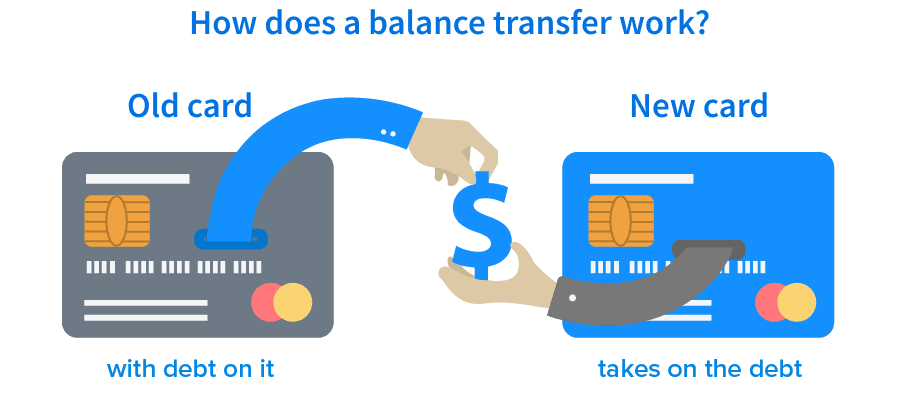
A balance transfer credit card allows you to transfer your existing credit card balances and repay them at a much lower rate, sometimes even 0% interest, over a set term. If you still have a leftover balance after the balance transfer offer expires, the remaining balance will generally revert to the standard purchase rate for the credit card, although in some cases this will revert to the cash rate.

The following is a comprehensive guide to help you understand exactly what a balance transfer is, how it can benefit you by reducing your credit card interest repayments, and how to compare the available balance transfer credit cards to find the best offer for you. Take note that all balance transfer offers require good credit for application approval.

Some of these credit cards offer 0% for 6 months and some low rate 12 month balance transfer options. Where the balance transfer rate is the same, you will then need to look at other features such as the annual fee and purchases interest rate.

Featured Balance Transfer Credit Card

HSBC No Fee credit card

With the HSBC Credit Card you can benefit from a card with no annual fee for life, as well as a very good balance transfer offer. This means you now have a chance to pay off your existing credit card debt by transferring your balance over to the new HSBC Credit Card.

  • $0 annual fee2
  • 17.99% p.a. on purchases
  • 0% p.a. balance transfer for 8 months1 (with 2% handling fee)
  • Cash Advance Rate of 21.99% p.a.
  • Up to 55 days interest free on purchases3 (when you pay the full balance by the due date)
  • Minimum Income Requirement of $20,000 p.a.
  • Access to the Home & Away Privilege Program which gives you instant discounts on shopping, travel, accommodation in Australia and overseas


Featured Balance Transfer Offers

  Interest Rate (p.a.) Balance Transfer Rate (p.a.) Annual fee Cash Advance Rate (p.a.)  
HSBC Credit Card
HSBC Credit Card
A no annual fee card from HSBC with a low rate balance transfer offer.17.99% 0% for 8 months with 2% balance transfer fee$021.99%Apply Now For The HSBC Credit Card Read More About The HSBC Credit Card
Citibank Rewards Credit Card - Platinum Card
A long term low balance transfer offer, plus ability to earn 20,000 bonus rewards points.20.99% 0.9% for 15 months$19921.74%Apply Now For The Citibank Rewards Credit Card - Platinum Card Read More About The Citibank Rewards Credit Card - Platinum Card
Citibank ReadyCredit
A no annual fee for the first year with a long term balance transfer offer. 18.99% 2.9% for 24 months$018.99%Apply Now For The Citibank ReadyCredit Read More About The Citibank ReadyCredit
Citibank Clear Platinum Card
A low rate platinum credit card with a strong balance transfer offer.11.99% 0% for 12 months with 3% balance transfer fee$9921.74%Apply Now For The Citibank Clear Platinum Card Read More About The Citibank Clear Platinum Card
ANZ Platinum Credit Card
An great balance transfer offer for 0% for 6 months, purchase rate offer and a $0 annual fee for the first year.0% for 6 months (reverts to 19.39% )0% for 6 months$0 annual fee for the first year ($87 thereafter)20.99%Apply Now For The ANZ Platinum Credit Card Read More About The ANZ Platinum Credit Card
NAB Gold Card
NAB Gold Card
Enjoy gold credit card advantages including travel insurance and higher credit limits. Current offer also includes a 12 month balance transfer.19.49% 1% for 12 months$9021.74%Apply Now For The NAB Gold Card Read More About The NAB Gold Card
Virgin Flyer Credit Card
An impressive low balance transfer offer, plus earn 1 Velocity Point per $1 spent up to $1,500 per month and then 1 Velocity Point for every $2.20.99% 1.9% for 12 months$50 (for first year thereafter $99)20.99%Apply Now For The Virgin Flyer Credit Card Read More About The Virgin Flyer Credit Card

6 month Balance Transfer Offers

  Interest Rate (p.a.) Balance Transfer Rate (p.a.) Annual fee Cash Advance Rate (p.a.)  
HSBC Credit Card
HSBC Credit Card
A very unique credit card offer that offers both balance transfer offer and a $0 annual fee for life.17.99% 0% for 8 months with 2% balance transfer fee$021.99%Apply Now For The HSBC Credit Card Read More About The HSBC Credit Card
ANZ Platinum Credit Card
An introductory balance transfer offer for 6 months plus no annual fee for the first year.0% for 6 months (reverts to 19.39% )0% for 6 months$0 annual fee for the first year ($87 thereafter)20.99%Apply Now For The ANZ Platinum Credit Card Read More About The ANZ Platinum Credit Card
HSBC Platinum Credit Card
Combination of a $0 annual fee and low balance transfer offer from one of Australia's leading banks19.99% 0% for 6 months with 2% balance transfer fee$0 annual fee for the first year ($129 thereafter)21.99%Apply Now For The HSBC Platinum Credit Card Read More About The HSBC Platinum Credit Card
NAB Low Fee Card
NAB Low Fee Card
A low interest rate offer on balance transfers, plus a low annual fee from NAB.19.49% 1% for 6 months$3021.74%Apply Now For The NAB Low Fee Card Read More About The NAB Low Fee Card
Westpac Low Rate Card
Enjoy a low interest rate on purchases, a low annual fee with a balance transfer offer.1.9% for 9 months (reverts to 13.49% )3.99% for 6 months$0 annual fee for the first year ($45 thereafter)21.49%Apply Now For The Westpac Low Rate Card Read More About The Westpac Low Rate Card
Citibank BP Credit Card

A cashback on first spend plus 5% off petrol & purchases made at BP Petrol stations.

20.89% 0% for 6 months$8921.39%Apply Now For The Citibank BP Credit Card Read More About The Citibank BP Credit Card
ANZ Low Rate MasterCard - Balance Transfer
Offering a low interest on balance transfers and purchases.0% for 3 months (reverts to 13.39% )0% for 3 months$5821.49%Apply Now For The ANZ Low Rate MasterCard - Balance Transfer Read More About The ANZ Low Rate MasterCard - Balance Transfer
St.George Amplify
St.George Amplify
Earn rewards points for every purchase made plus get a great balance transfer offer.18.74% 0.99% for 6 months$7920.74%Apply Now For The St.George Amplify Read More About The St.George Amplify
Virgin No Annual Fee Credit Card
Save with a $0 annual fee for life plus a low balance transfer offer for the first 6 months.18.99% 2.9% for 6 months$020.99%Apply Now For The Virgin No Annual Fee Credit Card Read More About The Virgin No Annual Fee Credit Card
St.George Vertigo
St.George Vertigo
Consistently providing great value for consumers with a low interest rate on purchases and balance transfers.13.24% 0.99% for 6 months$5521.49%Apply Now For The St.George Vertigo Read More About The St.George Vertigo
Westpac 55 Day Credit Card - Special Offer
$0 annual fee for the first year. Spend $10,000 or more on purchases in the previous year using your card and the Annual Fee is waived.0% for 5 months (reverts to 19.59% )3.99% for 6 months$0 annual fee for the first year ($30 thereafter)21.49%Apply Now For The Westpac 55 Day Credit Card - Special Offer Read More About The Westpac 55 Day Credit Card - Special Offer
Commonwealth Bank Low Rate Credit Card
Low ongoing purchase rate with an introductory balance transfer.13.49% 5.99% for 5 months$78 ($48 for qualifying customers)21.74%Apply Now For The Commonwealth Bank Low Rate Credit Card Read More About The Commonwealth Bank Low Rate Credit Card

9 to 12 month Balance Transfer Offers

These credit cards allow you to transfer your other balances and take up to a year to repay your balance. Typically, the interest rate will be higher than a 6 month offer. However keep in mind you can't claim reward points till you've completely paid off a balance transfer.

  Interest Rate (p.a.) Balance Transfer Rate (p.a.) Annual fee Cash Advance Rate (p.a.)  
Citibank Clear Platinum Card
An Exclusive Offer on balance transfers with a low interest rate on purchases.11.99% 0% for 12 months with 3% balance transfer fee$9921.74%Apply Now For The Citibank Clear Platinum Card Read More About The Citibank Clear Platinum Card
NAB Gold Card
NAB Gold Card
Benefit from gold credit card advantages including travel insurance, higher credit limits and VIP Lost card cover.19.49% 1% for 12 months$9021.74%Apply Now For The NAB Gold Card Read More About The NAB Gold Card
Bankwest Breeze MasterCard
Enjoy a low balance transfer rate from one of Australia's lowest MasterCard purchase rates0% for 6 months (reverts to 10.99% )4.99% for 9 months$4921.99%Apply Now For The Bankwest Breeze MasterCard Read More About The Bankwest Breeze MasterCard
Virgin Flyer Credit Card
Earn 1 Velocity Point per $1 spent up to $1,500 per month and then 1 Velocity Point for every $2. Plus an introductory balance transfer offer.20.99% 1.9% for 12 months$50 (for first year thereafter $99)20.99%Apply Now For The Virgin Flyer Credit Card Read More About The Virgin Flyer Credit Card
CUA Platinum MasterCard
An introductory offer on balance transfers with a low annual fee. Earn 1.25 reward points per $1 spent 20.24% 0% for 9 months$89 for the first year ($179 thereafter )21.24%Apply Now For The CUA Platinum MasterCard Read More About The CUA Platinum MasterCard
Citibank Emirates Platinum Card
Introductory balance transfer offer, plus earn Skywards Miles for every $1 you spend.20.99% 0.9% for 12 months$22921.24%Apply Now For The Citibank Emirates Platinum Card Read More About The Citibank Emirates Platinum Card

Long Term Balance Transfer Offers

Balance Transfer 'For Life' credit cards traditionally allowed you to transfer your other balances and take as long a you like to repay the balance. However, lifetime balance transfer credit card offers are no longer available in the Australian market. The good news is that there are currently some great long term balance transfer offers in market

Citibank ReadyCredit

Featured Long Term Balance Transfer Card

Citibank Ready Credit is a flexible line of credit with a long term balance transfer offer. Pay no annual fee, no monthly servicing fees and no cash advance fees ever.

  • $0 annual fee
  • 18.99% p.a. on purchases
  • 2.9% p.a. for 24 months on balance transfers
  • Cash Advance Rate of 18.99% p.a.
  • 0 days interest free
  • Minimum Income Requirement of $35,000 p.a.
  Interest Rate (p.a.) Balance Transfer Rate (p.a.) Annual fee Cash Advance Rate (p.a.)  
Citibank ReadyCredit
A low interest rate on purchases with no annual fee, no monthly servicing fees and no cash advance fees ever.18.99% 2.9% for 24 months$018.99%Apply Now For The Citibank ReadyCredit Read More About The Citibank ReadyCredit
Citibank Rewards Credit Card - Platinum Card
A long term balance transfer offer plus a great Reward Points offer.

20.99% 0.9% for 15 months$19921.74%Apply Now For The Citibank Rewards Credit Card - Platinum Card Read More About The Citibank Rewards Credit Card - Platinum Card
Citibank Rewards Credit Card - Signature Card
Enjoy a long term balance transfer period with some signature rewards and benefits.20.99% 1.9% for 15 months$39521.74%Apply Now For The Citibank Rewards Credit Card - Signature Card Read More About The Citibank Rewards Credit Card - Signature Card

Balance Transfer Credit Card Comparisons

Credit Card Debt Sufferers: Reduce your interest payments and save $1,000's by Switching credit cards to a New Balance Transfer card

How to Choose the Best Balance Transfer Deal

Following is a step by step guide to selecting a balance transfer deal. Just answer each of the questions and follow the tree to our recommended areas.

Question 1: Have you got a good credit history?

A good credit score will give you a much better chance to get a Balance Transfer If your credit history isn't good, the likelihood is your application will be declined.

You can check your credit history by ordering a Credit Report.

Question 2: Are you able to payoff Your debt within 6 months?

You have 2 options
  1. Get more time to payoff debt – Consider a longer term balance transfer offer to give yourself more time to payoff the debt.
  2. Switch more than once – If your credit rating is good enough you can consider retransferring your balance transfer after the 1st 6 month deal is finished. This way you can buy yourself enough time to payoff your debt. You need to be careful with this as it will require careful management of your cards and you will need a very strong credit rating.

Top Deals

Take advantage of the some of the 12 month balance transfer offers in market.If you feel that you'll need 12 months to repay your debt, it would be wise to use a 12 month offer. These usually come with lower annual fees and allow you to revert to a lower purchase rate if you want to continue to use the card after the balance transfer is over.

  • Featured 12 month balance transfer deal:
    • Nab Gold Card - It is rare to find a credit card offer with a 12 month balance transfer rate.

Balance Transfer - Questions & Answers

What is a balance transfer?

It's when one credit card repays debts on other credit or store cards; so you now owe it the money instead, hopefully at a special cheap rate.

Balance Transfer Process

TIP It is best to make your balance transfer within a couple of months of opening the new card account otherwise the opportunity could expire. It's important you don't confuse cutting the interest with paying less each month, as that's determined by the minimum repayments.

How do Low Rate Balance Transfer Credit Cards work?

Learn how low rate balance transfer credit cards works, and how to identify the best offers. Be aware of the main pitfall of making purchases on a balance transfer credit card. Check out the St.George Vertigo MasterCard as a great all-rounder for balance transfers and future purchases.

A low rate balance transfer credit card is used when you have an outstanding balance on another credit card at a regular rate of interest. The process is that you apply for the new low rate balance transfer card and make the request to transfer the balance on the application form itself. This is used for balances that are likely to take more than a few months to pay off. Any less than that, and you will probably pay more on the new card's annual fee than you save on interest charges.

Making a balance transfer will allow for a quicker repayment of the balance because you can direct the money you save on interest towards paying it down, or alternatively you can take more time paying it off because you know that the interest charges are not so punitive. In the latter scenario, as balance transfer deals are for a limited time, you should still aim to clear the balance before the offer period ends and the interest rate reverts to the card's regular one.

Avoid the biggest mistakes with balance transfers

The worst decision on how to use a balance transfer credit card is to treat it as just another credit card, meaning you use it for new purchases or cash advances. Once you have set your balance transfer in progress, you need to put your new credit card somewhere safe and not take it out again until after your offer period has expired. This is because of the way credit card companies apply your repayments. It is variously called the order of payments, the adverse order of payments, or the allocation of payments. It means that the way your debts are repaid is according to the rate of interest applied to them, and your cheaper debts are always repaid first. This keeps the more expensive debts earning interest for the credit card provider for the longest time. The message is therefore to avoid purchases and cash transactions on a credit card to which you have transferred a balance.

The only time this will not apply is when there is a combined deal on balance transfers and purchases, but these must be at the same rate of interest and for the same time period. Even then, cash transactions will not be included, which means no ATM cash withdrawals, no foreign currency purchases or traveller cheque purchases, and no gambling transactions. If you do want to continue with your credit card spending, use the old credit card that now has a clear balance.

Low rate balance transfer credit card options:

There are different kinds of low rate balance transfer credit cards available. Your choice will depend on the amount you need to transfer, and crucially on how long you predict it will take to pay it off completely. The most common deal at the moment is the 0% balance transfer offer that is set for six months. You can also find slightly higher rates for a year or so, and higher rates again for offers that last until the transferred amount has been paid off in full, however long that takes.

It is important that you judge this correctly and do not go for the 0% deal just because it is the lowest, especially if the card's regular interest rate is one of the highest. If you fail to pay off the balance in full within the allotted period, you will then be subject to this regular rate. It is far better to take a slightly higher balance transfer rate for a longer period. An all-round option at the moment is the St.George Vertigo MasterCard which is offering 0.99% p.a. for 6 months on balance transfers, and a regular rate on purchases of just 13.24% p.a.

Very few credit cards in Australia charge a balance transfer fee, so if you do see one that does charge you need to consider looking elsewhere, especially if an annual card fee is also being levied. However, bear in mind that you will very seldom find a great balance transfer deal and a zero annual fee combined. The credit card provider has to make some money somewhere.

Here are a few examples of low rate balance transfer deals currently available:

A Lower Interest Does Not Equal Lower Monthly Payments

Unlike a loan, credit cards have minimum monthly payment requirements over which you can decide how much you wish to pay each month. Therefore, even if you have a lower interest rate, if the minimum monthly repayment rate is higher than with your previous cards you will have to pay more each month. Of course, this means that you are paying off the capital faster but you have to ensure you can afford to make the required minimum payment each month.

However, if you can pay more than the minimum requirement you should certainly do that to ensure you pay off all your debt before your time runs out. Even if your interest rate is 0%, it's still debt, even if it's free and it won't be free forever. This rate, though, will give you the chance to pay your debt off much faster which is why you should take advantage of it by paying as much as you can every month.

Remember that the lower interest rate means that the total amount you will be paying back will be a lot less. So, you will also be saving money in the long run which is why you should focus on clearing your balance transfer as quickly as possible.

Tips on what to look for in a low rate balance transfer credit card:

Is there a balance transfer handling fee?

As mentioned already, this is not normal, so the deal must be truly spectacular to justify one being in place.

How soon do you have to transfer your balance?

You may have up to three months to make the transfer before the option to do so expires. However, why would you want to waste that amount of time? Your best bet is to make the transfer request on the application form for the card itself. There is a special page for this.

Does my credit limit apply to balance transfers?

If you have been approved for the card but the limit you have been given doesn't cover your needs, you still should use it. You might be annoyed but that isn't a good enough reason not to use it. After all, lowering your debt by something is better than not lower it at all.

Simply do balance transfers for however much you can, close any of the credit cards you have paid off in full and then apply for another card from another provider to clear the rest.

One issue that will likely have an impact on the credit limit you are approved for is the credit crunch. This is because providers are not so lax anymore and offer much lower limits than before. The result is that you will probably need two cards to cover the debt of a single card. The more applications you fill out, the lower your score and so a vicious cycle is born.

How are your payments allocated?

This is very important. Your repayments will be directed towards paying off your cheapest debt first, so you should not be making any purchases on a credit card that you have transferred a balance to, because these purchases will accrue interest at the regular rate until your transferred amount has been fully paid off.

Credit Card Balance Transfer - The Savings Demonstrated

A healthy portion of our articles are dedicated to or involve a credit card balance transfer, as the benefits are simply indispensable. Using a hypothetical balance of $5000, on a credit card with a 18% interest rate (which is a fairly standard rate on any non-low interest cards), the savings across different balance transfer types you can take advantage of include:

0% for 6 month Credit Card Balance Transfers:

$5000 at 18% interest, paid off over 6 months: $450
$5000 at 0% interest, paid off after 6 months: $0

2.9% for 12 month Credit Card Balance Transfers:

$5000 at 18% interest, paid off over 12 months: $900
$5000 at 2.9% interest, paid off over 12 months: $145

Credit Card Balance Transfer 'For Life':

$10,000 at 18% interest, paid off over 36 months: $5400
$10,000 at 4.9% interest, paid off over 36 months: $1470

Is this all I'll have to pay from a balance transfer? What's the catch?

You'll still need to pay the upfront annual fee of the credit card your planning to carry out a balance transfer towards. This means an upfront fee of While there's no simple 'catch' to balance transfers, there are a couple of easily avoidable pitfalls.

On the right is a screenshot of our balance transfer calculator demonstrating a 0% p.a. for 6 month balance transfer.

For a more comprehensive guide to balance transfer credit cards, visit our credit card balance transfer section, which also features the latest balance transfer cards available in Australia.

How To Compare L ow Rate Balance Transfer Offers

Learn the key points that must be taken into account when you compare balance transfer credit cards. Understand how to make sure that a great balance transfer deal works in your favour by recognising the main trap to avoid. There are not too many issues to watch out for when you compare balance transfer credit cards, but you must get them right. This is especially the case if you are making a large balance transfer because so much more is as stake. A low rate balance transfer credit card is used when you have an outstanding balance on another credit card at a regular rate of interest. The process is that you apply for the new low rate balance transfer card and preferably make the request to transfer the balance on the application form itself. Balance transfers are for useful for amounts that will take more than a few months to pay off, because if you are looking at any less time, you will probably pay more on the new card's annual fee than you save on interest charges.

Examples to help you compare balance transfer credit cards:

Here are a few examples of balance transfer deals currently available, to give you an idea of what to look for:

Key points when you compare balance transfer credit cards:

What interest rate applies to the balance transfer?

This is the first question to ask when you compare balance transfer credit cards because this is the whole point of your making a balance transfer - to enjoy a lower rate of interest on your outstanding debt. Rates for balance transfers range from 0% to around 9%, depending on the length of time the offer is for. Generally speaking, at the lower rate you will be allowed less time to settle your debt before the regular rate kicks in. Offers come and go, so you may find that some of the higher balance transfer rates fall away somewhat if there are low regular rates available. Credit card providers know that an 8.99% balance transfer rate does not look so hot when there are credit cards that offer regular rates of just slightly more.

How long does the balance transfer rate last for?

Another crucial question to ask when you compare balance transfer credit cards. This is something you must judge correctly, or you may choose too short a period and end up with a portion of your debt still unpaid when the offer period expires and the higher rate takes over. Currently, there are a number of offers at 0% for six months, but you can also find six month offers at higher rates but they come with other features. For example, some rewards credit cards also offer a host of extra perks and benefits to offset it. For the most part, the longer the offer period for the balance transfer, the higher the interest rate. However, you should always check on current offers because some can buck the trend a little and be pleasantly surprising. Again, this is the case with the St.George Vertigo MasterCard that is now offering 0.99% p.a. for 6 months on balance transfers. Balance transfers that last for the life of the debt can also be found, but these tend to be more common on platinum level cards.

Warning about long term balance transfers

There's sometimes a hidden sting with these cards; if you spend on them, it's often at a high interest rate and can't be repaid until all the cheap debt has been. They may try and tempt you with cashback or short term 0% deals on any spending; ignore it. The rule is simple; never, ever, ever, ever spend on these cards. If you do all the benefit will be lost.

  • Say you have transferred a balance of $10,000 to your new credit card. You then spend a $500 purchase on the card, at a 15% interest rate.
  • You will not be able to pay off that $500 purchase until the whole transferred balance itself has been paid off, thus accumulating a fair bit of interest.
  • It is simply one of the techniques used by banks to profit from balance transfers. As mentioned prior there's a simple solution to avoid the hidden sting – use a different credit card for new purchases.
  • Banks often provide the incentive of an annual fee waiver if $X amount of money is spent on your card during a balance transfer.

Is there an annual fee?

It is quite normal for an annual fee to be charged for the account maintenance of the credit card, although an actual balance transfer fee would be very unusual. Annual fees are something to check when you compare balance transfer credit cards, to make certain you are not being penalised for a great balance transfer rate by a hefty annual fee. However, depending on the size of the transferred amount and the rate offered, paying a few dollars more for an annual fee is probably neither here nor there. At the moment, there are balance transfer credit card deals that do not charge an annual fee, including the HSBC Credit Card and the Virgin No Annual Fee Credit Card.

Is there a balance transfer window?

You will normally find in the fine print that you have a limited time from the date you receive your card in which to instigate a balance transfer. This could be up to three months, or could be as little as one month. This means that after this time you will not be able to make a balance transfer according to the original offer. You must also remember that the offer period on your balance transfer begins when you get your card, not when you decide to request the transfer. So, with a six month deal, if you delayed three months before making the transfer, you would only have three months left at the lower rate of interest.

What does the balance transfer apply to?

The clue to this is in the wording: balance transfer. Hoping to compare balance transfer credit cards and find one that covers everything you put on the card is not realistic. The special rate of interest applies to the transferred amount only. It will not apply to any new purchases, nor to any new cash transactions made on the card, including purchases of foreign currency and traveller's cheques, nor any gambling transactions. The amount you are transferring from your old credit card can obviously contain transactions made in these ways, but making such transactions on your new card will cause them to be treated very differently to the transferred amount. The reason for this is down to the next point.

What is the order of payments?

This is also sometimes called the allocation of payments or the adverse order of payments. These all refer to one practice: namely, the way the credit card company uses your repayments to pay off the balance on your credit card. The order of payments rule states that the lowest rate debts are cleared first. This means that the amount of your 0% balance transfer is paid down before your purchases at 15%, which are cleared before your cash advances at 20%.

Your repayments are not split in any way. Until your balance transfer is paid off in full, any new purchases or cash advances on the credit card will not be touched and will simply accrue interest. Clearly, if a large amount of purchases were allowed to accrue interest untouched for twelve months, this could easily negate a lot of the benefits of having made a balance transfer in the first place. This would be a key point on which to compare balance transfer credit cards if different providers payed things differently, but this is a rule that is applied everywhere in the Australian credit card industry. It is for this reason that it is very important that you do not make any purchases or cash advances on a credit card you have transferred a balance to at a much lower rate. The only time this is not the case is when your new card has a combined offer applying to balance transfers and new purchases that are at the same rate for the same length of time.

Is a same-bank balance transfer possible?

No, you must be transferring a balance from a different bank than the new card is issued by. For example, you could not transfer a balance from one ANZ credit card to a different ANZ credit card.

Do I have to close my existing credit card after doing a balance transfer?

Once you have been successful in your application for a card and your balance transfer has been approved, you have the choice of closing your old account or keeping it open. This is something that you are responsible for doing yourself and is something that shouldn't be overlooked as you may still incur unnecessary fees and charges on your old account.

It is also important to remember to change any direct debit agreements you may have had in place on your old card. Services like phone bills, utilities and internet arrangements to name a few, will still be charged to your old account if you don't switch payments to your new credit card and you are responsible for contacting any service providers and informing them that your old account has closed or is no longer your primary card.

Do I still have to make my minimum payments?

Yes, you are not absolved from making your minimum payments just because you have a new low rate of interest on your balance transfer. You are still required contractually to pay at least your minimum payment each month, and a failure to do so could even cause your low rate offer to be rescinded. This is a point to check out in the fine print when you compare balance transfer credit cards, but don't be too surprised if this is the case.

How To Use Low Rate Balance Transfer Credit Cards

Learn the simple rules on how to use balance transfer credit cards. Understand that balance transfer credit cards should only be used for balance transfers, and not for purchases or cash advances, otherwise much of the benefit will be negated by the order of payments rule.

The best advice on how to use balance transfer credit cards is to make your balance transfer and then not to use your card again until it is fully paid off. The reason for this will become abundantly clear. The other main issue to remember is why you have had to make the balance transfer in the first place. If this is because of some poor financial planning in the past, now is the time to start putting things right.

Use the balance transfer savings to repay your debt faster

This is not just an important factor in how to use a balance transfer credit card, it is also an important life-skill to possess. Presumably you will have chosen your balance transfer credit card carefully, picking one with a low enough rate and a long enough offer period to allow for the transferred amount to be fully paid off. This, of course, can only happen if you plan ahead. Whatever you used to pay on interest charges should now be paid towards the debt. The extra finances should not be seen as spare cash to spend on further items. You need to write a detailed budget, taking into account your income and expenditure, and then set aside as much as you can spare to pay down your balance each month so that it is completely paid off before the offer expires and the higher regular rate of interest kicks in.

This is key in how to use a balance transfer credit card; you must try not to be caught with an outstanding balance at the end of the offer period. It may be that another balance transfer could be made to another credit card, but this cannot be guaranteed. This will all depend on your credit rating, which may not be good enough to allow for another transfer to take place. This means it is imperative that you take full advantage of the opportunity afforded by your low rate balance transfer deal, and clear your debt in full within the allotted time. By understanding your credit card you will learn valuable financial skills.

Complete your balance transfer request at the time of application

The best time to make your balance transfer is when you are filling out the credit card application form. There will be a special page for this request to be made. This is important in how to use a balance transfer credit card most effectively because it presents you with the longest amount of time for your balance transfer to be in effect. Your balance transfer is time-limited in how long the offer is for - unless it is a balance-transfer-for-life - and also in how much time you have to set it in motion. It may be that you only have one to three months from the time you receive your card to actually request the balance transfer. If you are looking at a 0% deal for six months, then every day lost is going to cost you in the higher interest rate you are still being charged. If you move outside this transfer window, your chance to act will be lost.

That's about it on how to use a balance transfer credit card. The rules are few and simple, but you need to adhere to them for there to be any point in making the balance transfer in the first place. Stick to the rules and you can enjoy a zero or low rate of interest and clear your debt in the quickest possible time.

Points to consider about credit card balance transfers

  1. Change of attitude required - Making a credit card balance transfer will only work if you have the intention of using the lower interest rate period on the new card to actually pay off the debt, rather than give you some wriggle-room to fund a new round of spending.
  2. Debt consolidation- Balance transfers 'til I die - This can't happen. You cannot keep making credit card balance transfers in perpetuity. Credit card applications have an effect on your credit rating, and may lower your credit score. Credit card providers have access to your credit history and will not approve your application if they know you are being a credit card 'tart'. You have to leave time between doing balance transfers.

    Making several credit card balance transfers to bring all your debts together under the umbrella of one credit card can simplify your finances considerably. If you have four or five cards, all requiring minimum payments, it is easy to put one of the bills to one side and forget about it. If you receive your bills online, this is even more of a danger because you will not even notice anything lying around when you tidy up.

  3. Other loans may be transferred - Find out if your new card will accommodate other types of loan, such as one you may have on a vehicle, or any another large purchase. If you can shift all these to 0% for a few months, so much the better.
  4. Fees - Beware the 'hidden' costs of making a credit card balance transfer. Most card providers charge a fee, which is worked out as a percentage of the amount being transferred, so you will have to calculate all the costs involved - including any annual fee for the new card - and decide if it is worth making the transfer.
  5. Length of low-rate period - Keep a close eye on the time you have left on your introductory interest rate. Time passes very quickly. When the higher interest rate kicks in, you will be back at square one if you have made no effort to lower the debt significantly. Add in the balance transfer fee, and you may actually be down on the deal.
  6. Your new low rate does not cover future purchases - In nearly all cases, the introductory offer on your new card only applies to the credit card balance transfer from your other card, and not to any purchases you make on your new card. Those will be subject to the normal APR.
  7. Repayments hierarchy - This means that any repayments you make on your debt will first go towards reducing the credit card balance transfer amount. This is linked to the point above. Other purchases made on your new card will be at the normal rate of APR and will not be touched until the transferred amount is paid off.

    Understand negative payment hierarchy and if it applies to you. Negative payment hierarchy is a credit card standard in which they apply all of your payments to the portion of your bill with the lowest interest rates. One of the best balance transfer tips is to only use the card for balance transfers and not for purchases. The only exception is if both purchases and balance transfers have the same interest rate.

  8. Your credit rating must be good - Similar to the above point, you cannot even start this credit card balance transfer process if you do not have a pretty sound credit rating in the first place. If it looks like you're on the verge of bankruptcy and this is your last-ditch attempt to stop it happening, you won't be approved because your new provider will not want to be the one who has to write off the debt due to insolvency on your part.
  9. Make all your payments on time. If you miss or make a late payment the credit card company may change the interest rates of their credit card. Rates are subject to you keeping up your end of the deal by paying on time. In addition to any fees that you may be charged there is a good chance you will lose the zero percent you are being charged for your balance transfer.
  10. Find a credit card company that has good customer service. Anyone who has ever dealt with poor customer service understands how important it is. Trusting any credit card company is difficult in these financial times. Find one that you believe will not increase your monthly payments or change due dates without notice.
  11. Find a card that is flexible. Some cards will allow you to transfer money from your card into your account. Unlike a cash advance, this money goes straight to a personal loan or an overdraft charge. These balance transfer tips can help you to pay off those other debts at the introductory rate of zero percent.
  12. Know the brand of your card and the card to which you are applying. Most credit card companies will not allow a balance transfer between their own cards. It may not be immediately clear whether or not cards are connected so be sure to double check before you apply to a card on the parent company.
  13. Time your balance transfer. If you are planning to transfer balance from one financial institution to another, then you should not transfer large balances if the introductory offer is about to end in a few short months. You don't want to be stuck paying off your debts with a high interest (which usually starts to take effect once the intro period is over) as the balance transfer would just be useless. The smartest thing for you to do is to apply for a credit card and at the same time apply for the balance transfer. This way, you will be able to make the most out of the zero percent interest free introductory period when you pay for your large balances. On the other hand, if you are not so sure that you will be able to have your balance transfer as soon as possible, then it would be best to apply for a balance transfer card that has a long introductory period so that it will provide you with plenty of time for your balance transfer to be approved.

This means the expensive debts from spending are effectively trapped, speedily accruing interest, and you can't repay them until you've cleared all the cheap debt. Thus you can be racking up debt which you will eventually have to repay later. Clearly credit card providers make their money this way because they want you to spend whilst you are paying off your balance you transferred to them. To avoid this situation it would be better to get a second card with a low purchase rate.

Balance transfer tips are important to evaluate if you are considering this option to reduce debt. It can be a good way to reduce the amount of money you spend on interest. It can help you pay off the outstanding amount or at the very least free up your monthly cash for other expenses.

Following simple tips for balance transfers can make them a worthwhile way to save money and pay off debt. All you have to do is pay close attention to your finances and you will be able to take full advantage of the benefits.

Frequently Asked questions


Subscribe to our newsletter and get "The Ultimate Guide to Balance Transfers"

If You Like This Post...

Get all the latest deals, guides and loopholes go in Credit Card Finder's free bi-monthly email. Don't miss out - join the thousands who get it emailed!

We Respect Your Privacy


  • Credit Card Stoozing – Will it Work for You?

    What is Stoozing with Credit Cards? Stoozing with credit cards entails the process of making money from credit cards that offer 0% interest rates and high interest bank accounts. It does take some time and patience to have a system complete a cycle and to see the money turn around, but with some effort with [...]

  • Balance Transfer Savings Calculator

    Using a balance transfer savings calculator can be an excellent way to work out whether switching cards will be good for you or not. It can also show you just how much money you could save – and how much sooner you could be debt free.

  • When Is The Best Time To Do Balance Transfers?

    If you have high credit card debt, you should consider doing a balance transfer. These deals can help you clear out your debt while saving money at the same time. Just be sure you understand how the offers work so that you make the most of your money.

  • Using Your Credit Card Instead Of Getting a Loan

    Traditionally, credit cards have rarely been seen as a good alternative to other types of loans. However, this is not always the case since there are many situations in which credit cards are a much better option.

  • Balance Transfer Traps – How To Avoid Credit Card Balance Transfer Traps

    There are several balance transfer traps you should know about and try to avoid. Even though a transfer deal can save a lot of money, it can also cost a lot if you fall into one of these situations. Your best bet is to be informed and savvy about how these deals work.

  • Credit Card Rollover – Roll Over Your Credit Card Balance To A Low Interest Credit Card

    Getting out of credit card debt may be as simple as finding the right tool to get the job done with a credit card rollover. If you are swimming in card debt and are looking for a way out an effective solution is to transfer your debt to a credit card with a lower rate of interest.

  • All You Need to Know About Balance Transfers in Relation to Cash Advances

    Balance transfers often seem like a lifeline to customers struggling with their credit card debts. But you need to be aware of the downside of balance transfers in relation to any cash advances that make up your debt.

  • Interest Free Balance Transfers

    Saving money is the name of the game. With a worldwide economy that is currently in a downward slump, it is important to find ways that will make a difference in your budget. Balance transfers are one of the surefire methods to save money.

  • Free Balance Transfer Credit Cards – Compare & Apply Online for Free Balance Transfers

    As a credit card holder you may know about the money saving fee free balance transfer deals. Is it easy to compare and apply for a free balance transfers credit card, and how quickly could you be saving money?

  • Balance Transfer Limit: How Much Can I Transfer with a Balance Transfer Card?

    If you have existing credit card debts and want to do a balance transfer, you may have asked the question, “How much can I transfer with a balance transfer?” There is no easy answer but you can get at minimum some small indicators before your card arrives.

  • How Does a Balance Transfer Help Save Money?

    Doing a balance transfer does not wipe out your debt. You still have to pay it back in the end. So how does a balance transfer help save money? Let’s find out!

  • Credit Card Balance Transfer Fee Defined

    It is not uncommon these days to see a lot of commercial advertisements enticing you to transfer the balance of your credit card to a card with a new account provider. The benefit to you is reduced interest charges, but be aware of balance transfer fees. Find out what fees apply to balance transfers and avoid getting caught in one.

  • The Dangers Of Paying Off Just The Minimum Balance

    It can seem easy and cheaper to just pay off your minimum credit card payment each month. However this is a strategy that is likely to increase the amount you have to pay overall, as well as increasing your monthly minimum balance.

  • Can You Transfer Multiple Credit Cards with a Balance Transfer?

    If you have a lot of debt on multiple credit cards you may have been considering moving all of the balances to one card. Is this possible? Find out in this article.

  • When A Short Term Balance Transfer May Not Be The Best Decision

    A short term balance transfer can seem very appealing. Many lenders now offer attractive low interest rates for a period of a few months that can sometimes look like a good deal, but there are times when they may not be as good as you think.

  • How You Could Lower Interest Rates on Your Credit Card Balance

    Consumers are noticing that credit card interest rates are increasing. This can put pressure on your household budget, especially if you carry a balance on your card that’s being charged high interest.

  • Balance Transfer Rate

    A balance transfer rate is only as good as the length of time it lasts. These low rates are promotional offers, which means to get the most from them you must be able to completely clear your debt before the low rate expires. By looking at your debt honestly you can choose the rate and the term to maximise your money.

  • Take the time to change your credit card to a better deal

    Whether you’re satisfied with your current credit card provider or not, it is always an excellent idea to take the time to look at your credit card statements, understand them correctly and then take the time to change your credit card to a better deal once you have done the proper research and comparisons.

  • Credit Card Transfer

    With many people burdened with more debts than they can manage, we are all looking for ways to save money. If you are struggling to pay off a large credit card balance, then doing a credit card transfer, to a lender with a low interest deal may be what you are looking for.

  • MasterCard Low Interest Rate Balance Transfer

    There are many benefits to choosing a MasterCard low rate balance transfer. Aside from reducing the amount of interest you pay on your debt, you also have the opportunity to reduce the amount you owe very quickly.


  • Page 1 of 3
  • 1
  • 2
  • 3

Popular Credit Card Offers

Interest rate (p.a.) Balance transfer rate (p.a.) Annual fee Cash advance rate (p.a.)
ANZ Platinum Credit Card
A unique platinum credit card offer with a low balance transfer and purchases rate. 0% p.a. for 6 months (reverts to 19.39% p.a.) 0% for 6 months $0 annual fee for the first year ($0 thereafter) 20.99% Apply Now For The ANZ Platinum Credit Card
Read More About The ANZ Platinum Credit Card
HSBC Credit Card
HSBC Credit Card
A 0% balance transfer, $0 annual fee for life credit card. 17.99% p.a. 0% for 8 months with 2% balance transfer fee $0 21.99% Apply Now For The HSBC Credit Card
Read More About The HSBC Credit Card
Westpac Low Rate Card
A low rate on purchases, balance transfer and a $0 annual fee. 1.9% p.a. for 9 months (reverts to 13.49% p.a.) 3.99% for 6 months $45 annual fee for the first year ($0 thereafter) 21.49% Apply Now For The Westpac Low Rate Card
Read More About The Westpac Low Rate Card
Citibank Rewards Credit Card - Platinum Card
An extended 15 month balance transfer offer with 20,000 bonus reward points. 20.99% p.a. 0.9% for 15 months $199 21.74% Apply Now For The Citibank Rewards Credit Card - Platinum Card
Read More About The Citibank Rewards Credit Card - Platinum Card
Bankwest Breeze MasterCard
Low ongoing purchase rate from Bankwest, with an introductory purchase rate credit card. 0% p.a. for 6 months (reverts to 10.99% p.a.) 4.99% for 9 months $49 21.99% Apply Now For The Bankwest Breeze MasterCard
Read More About The Bankwest Breeze MasterCard
\