If you're thinking about a holiday you're not alone. Finder consumer surveys show that 54% of Australians plan to go overseas in the next 12 months. So if you plan to travel with a credit card, here are some options to help you save on foreign transaction fees and other holiday costs.
What's the best credit card for travel?
Credit cards offer different types of travel features including 0% foreign transaction fees, airport lounge access and frequent flyer rewards. To kick-start your comparison, we've picked out 4 credit cards with popular travel features.
Even with a $0 annual fee and 14.99% p.a. purchase rate, you must still be approved for a $6,000 minimum credit limit.
Charges a one-time 3% balance transfer fee
Why we like it
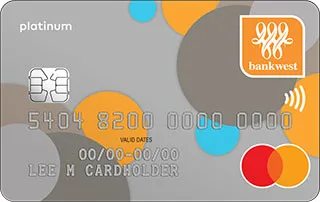
The Bankwest Zero Platinum Mastercard has a $0 annual fee and 0% foreign transaction fees.
It also includes overseas travel insurance for trips of up to 31 days, with no activation requirement and the option to upgrade your cover through Cover-More for a fee.
Bankwest is one of the few providers that offers a digital card you can use straight away once you're approved and activate your account.
Top pick for travel features and 0% interest offer
Low variable interest rate of 11.99% p.a. on purchases and cash advances
Must hold an Orange Everyday account or request to open one to receive this card
Several criteria to receive the ATM fee rebate and foreign transaction fee waivers
Why we like it
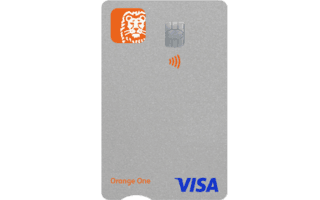
The ING Orange One Low Rate has a $0 annual fee.
It also includes a rebate on foreign transaction fees for customers with an Orange Everyday account who meet the minimum deposit and spend requirements.
Charges a payment handling fee of $1.95 for BPAY payments and $3.95 for payment at Australia Post. You can avoid the fee by using Latitude’s Online Service Centre or via direct debit.
Why we like it
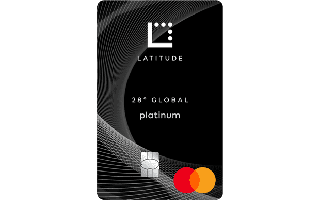
0% international transaction fees on purchases while you travel overseas or shop online.
$0 annual fee and no cost to add an additional cardholder.
Free data roaming with Flexiroam, which gives you a choice of SIMs and 3GB of free data for 15 days each calendar year to use in over 150 countries.
Free lounge access when your flight is delayed with the Flight Delay Pass at select airport lounges.
Top pick for no FX fee and lounge access credit card
CommBank Smart Awards Credit Card
Up to 75,000 bonus Awards Points or up to 30,000 Qantas Points
Up to 75,000 bonus CommBank Awards Points or up to 30,000 bonus Qantas Points
Points Boost for highest eligible purchase in each statement period
Included international travel insurance
No foreign transaction fees
Airport lounge access with Mastercard Travel Pass provided by Dragon Pass
Choosing to earn Qantas Points attracts a $60 yearly fee
After the first $5,000 spent in a statement period, there is a relatively low earn rate of 0.5 CommBank Awards Points or 0.2 Qantas Points per $1 on eligible spending
$19 monthly fee unless you spend at least $2,000 in a statement period
Mastercard Travel Pass airport lounge access attracts a fee for each lounge visit
Why we like it
The CommBank Smart Awards Credit Card offers 0% foreign transaction fees and access to over 1,300 airport lounges for a fee through Mastercard Travel Pass by DragonPass.
It also includes international travel insurance that you can simply activate through internet banking or the CommBank app.
It currently offers 75,000 bonus CommBank Awards Points or 30,000 bonus Qantas Points when you apply as a new customer and spend $4,500 on eligible purchases within days of activation.
You also earn up to 1.5 CommBank Awards Points or up to 0.6 Qantas Points per $1 on eligible spending.
Every month, Finder's experts examine over 250 cards in our database. To determine Finder's pick of travel credit cards, we narrow it down to credit cards that offer one or more of the following key features:
No foreign transaction fees
Overseas travel insurance
Airport lounge access
Frequent flyer rewards
Flight or travel credit
We also consider whether the card is available through Finder. Other key factors include:
The annual fee details
Bonus point offers
The points earned per $1 on eligible spending
Whether the card offers complimentary travel insurance
Whether the card offers airport lounge access
The terms for interest-free days on purchases
The interest rate for purchases
In addition to the key factors, we may consider any additional features or introductory offers that are relevant and have the potential to offer further value.
The Finder Credit Card Awards for the travel credit cards category is determined separately, based on 12-months worth of data, as per the methodology for the Finder Credit Card Awards 2023.
Keep in mind: Our top picks may not always be best for you. Based on your situation, you may find certain features to be more or less important, so compare your options before you apply.
Can I use my everyday credit card overseas?
Yes, you can use any credit card when you travel overseas. Just like in Australia, the business will need to accept card payments, but that's common in a lot of popular travel destinations.
Keep in mind that many credit cards and debit cards charge a 2-3% foreign transaction fee when you make payments in another country. So before you go overseas with your everyday card, check its foreign currency fee to make sure it's affordable.
Credit cards with 0% foreign transaction fees
If you're trying to save money, the best credit card to use overseas is likely one with 0% foreign transaction fees. If you want a card that can help you earn points and get you there for free, you can compare frequent flyer credit cards.
There are 4 main types of credit cards that offer features and benefits for travellers:
0% foreign fees These credit cards don't charge an international currency conversion fee and can save you around 2-3% compared to some other credit and debit cards.
Complimentary travel insurance Credit cards with complimentary overseas travel insurance typically offer cover for medical emergencies, travel delays and lost or stolen luggage. Some offer cancellation cover and many cover COVID-related claims.
Frequent flyer A frequent flyer credit card offers you points for your everyday spending, which you can redeem for flights and other rewards.
Lounge passes or travel credit Some premium credit cards offer airport lounge passes you can use before your flight. And a few cards offer flight or travel credit for overseas or domestic bookings.
Pros and cons of using a credit card overseas
Pros
Global acceptance. Australian credit cards can be used in most hotels, restaurants, stores, travel agencies and entertainment venues around the world.
Travel perks. Credit cards designed for overseas use often come with travel-related benefits like 0% foreign transaction fees, frequent flyer rewards programs, complimentary insurance or airport lounge passes.
Security and emergencies. A credit card can come in handy if you need to cover unexpected costs when you're travelling overseas. If your card is lost or stolen, you can report it and get the account locked. Credit card zero liability policies also mean any fraudulent transactions will be refunded.
Cons
Fees. Depending on the card, you may be charged a foreign transaction fee or surcharge for using a credit card overseas. This typically costs 2–3% (or more) of the transaction. Credit card annual fees can also add to your account costs and range from $0 to over $700. Cards with more perks like rewards and lounge passes tend to have higher annual fees than more basic ones.
Limitations. You'll need to meet eligibility requirements (such as income and credit score criteria) to be approved for a credit card.
Risk of debt. While a credit card is handy and offers some peace of mind, it can also lead to overspending, interest charges and ongoing debt.
How to compare travel credit cards
Credit card fees
When you're travelling overseas, there are 2 main credit card fees to watch out for:
Foreign transaction fees. When you pay for something in another currency, your Australian dollars are converted to the local currency. This typically attracts a fee between 2% and 3% of the transaction (both when you're overseas and shopping online with international merchants). You can avoid this fee with a credit card that doesn't charge a foreign currency conversion fee.
ATM withdrawal fees. Even if your credit card doesn't have ATM fees, using it to withdraw cash will attract a cash advance fee and interest charges. The only way to avoid these charges is to use a debit card or prepaid travel card when you want to withdraw cash.
💡 Tip: Don't forget about annual fees
When you're comparing credit cards for travel, remember to check the annual fee costs. Some cards with rewards and travel perks charge annual fees of $400 or more.
For some people, the value from perks will justify the cost of the annual fee but for others a card that offers a $0 annual fee will make more sense.
Rewards
Using a frequent flyer credit card is an easy way to earn points for reward flights or other travel perks. If you're collecting points through a few frequent flyer programs, you could also look at a rewards credit card that lets you transfer points to partnered airlines or hotel loyalty programs.
While rewards and frequent flyer points are great, using a rewards card that charges a foreign transaction fee while you're overseas will likely negate any value you'd get from these rewards.
💡 Tip: Bonus point offers
You can often get thousands of bonus points when you sign up for a new frequent flyer or rewards credit card. Usually, you'll need to meet a spend requirement to get them, such as spending $3,000 in the first 3 months.
Sometimes, you'll even earn enough bonus points to fly overseas – so keep an eye out for these credit card offers.
The complimentary travel insurance usually covers overseas medical insurance, transit accidents and travel delay. The cover usually extends to your spouse or any dependant children travelling with you. As well as travel insurance, some credit cards offer purchase security insurance and extended warranty so you can shop with peace of mind.
It doesn't make sense to get a credit card just for travel insurance because of the potential ongoing costs and impact to your credit score. But I also wanted a card with 0% foreign transaction fees that I could use when I was on holiday overseas. And I didn't want to pay a high annual fee. So I chose a card that met these requirements to help save on costs.
If you're travelling overseas, look for a card that offers lounge access for international airports – such as American Express Centurion Lounges and Priority Pass lounges. If you're travelling in Australia, there are also cards that offer Qantas Club or Virgin Australia domestic lounge invitations.
Other travel perks
Some credit cards offer flights or yearly travel credit, concierge services to help with travel bookings, entertainment and restaurant reservations while you're away or more points per $1 spent overseas and on bookings with an airline partner.
There are also a few high-end cards that offer hotel status and perks. These types of benefits can add even more value and help justify the typically higher annual fees that some more premium cards charge.
What to think about when you travel with a credit card
Take a few travel money options
Instead of putting all of your eggs in one basket, you should take at least 2 travel money options with you. This may include a credit card or prepaid travel card, your debit card and some cash. That way you'll have a backup if your card is lost or stolen and can avoid being charged credit card fees withdrawing cash from an ATM.
💡 Tip: Global transaction accounts If you plan to live and work overseas for a while, you could also consider a transaction account that lets you deposit and spend money in different currencies. For example, the Wise multi-currency account or the HSBC Everyday Global Account.
Track your spending
Create a travel budget and use your credit card to spend responsibly. You have to repay everything you put on the card – plus interest if you don't pay your balance in full.
Make repayments
If you are sent a credit card statement while you are travelling, you will need to make a payment by the due date as usual. If you have access to a secure internet connection, you can do this through online or mobile banking.
Alternatively, you could call your bank to pay by phone. If you're earning money overseas, check out Finder's guide to making repayments with foreign currency.
Planning your next trip? Check out our selection of frequent flyer credit cards and see if you can get a few thousand bonus Qantas or Velocity Points when you book your trip.
Frequently asked questions
There isn't much difference between Visa and Mastercard credit cards when you're overseas: both operate in over 200 countries and offer fraud protection.
American Express is accepted in over 130 countries and also offers fraud protection that's similar to Visa and Mastercard. So, with a few exceptions (think Cuba, North Korea, etc.), you'll pretty much be able to use any credit card when you travel.
While some travellers add money to their credit card accounts to avoid interest charges when they're away, it's not possible on all cards. You should talk to your credit card provider or check your credit card product disclosure statement (PDS) for details on how this type of balance is treated – it's usually referred to as a "positive balance".
When used wisely, a travel credit card offers a way to make secure payments when you're overseas and gives you access to other benefits such as 0% foreign transaction fees and complimentary insurance. Some hotels and car rental companies also prefer credit cards for security deposits and payments. But there are potential costs to getting a credit card, including the annual fee and interest payments if you don't pay it off in full, so weigh up your options carefully.
I always travel with my CBA Gold card. It has no foreign transaction fees and also has travel insurance included. The other benefit to using credit cards when you travel is that any fraud happens, it is dealt with swiftly by the bank.
Find out which brands ranked highly at 2024 Finder Awards for travel credit cards.
The Bankwest Zero Platinum won this year's Finder Award again as it offers no foreign transaction fees, no annual fee and comprehensive overseas travel insurance. Its 14.99% interest rate on purchases scored highly and helped establish it as a card that travellers can use save on a range of costs.
The Bendigo Bank Ready Credit Card rated highly with its 0% foreign transaction fees, ongoing $0 annual fee and complimentary travel insurance. In addition to the 19.99% purchase rate and $5 overseas ATM withdrawal fee during the analysis period, it provides worldwide Mastercard acceptance.
The NAB StraightUp Card is a no-interest credit card that charges a flat, monthly fee when you use the card. If there's no balance and no spending in a statement period, the monthly fee is waived, making it a low-cost alternative to traditional credit cards and buy now pay later services. The card also offers 0% foreign transaction fees and is a finalist for the second year in a row.
Every year the Finder Credit Card Awards celebrate Australia's top credit cards, with expert analysis of rates, fees and offers based on 12 months' worth of data. Because credit card offers change regularly, these cards might not currently have the most competitive deals but you can use them as a benchmark for current offers.
Amy Bradney-George was the senior writer for credit cards at Finder, and editorial lead for Finder Green. She has over 16 years of editorial experience and has been featured in publications including ABC News, Money Magazine and The Sydney Morning Herald.
A quick note that the Bendigo Ready Credit Card also has a good travel insurance option where you don’t need to pay the whole cost of your travel on the card to activate the travel insurance, just a portion. So, if you have already bought your overseas tickets, and don’t want to pay extra for travel insurance, you might still be able to claim using this card – read the PDS to see the rules. It is also one of the only cards that still has rental car excess reduction on it – so I book all my rental cars through this card
Hi Saija,
Most credit cards in Australia allow you to share your account with someone by getting an additional card for them that’s linked to your account. A few credit cards also offer joint accounts, where both people share legal responsibility for the credit card account. You can learn more and compare different options in Finder’s guide to joint credit cards. I hope that helps.
As of this writing, there are some credit cards offering travel insurance for over 65. NAB covers up to 90 years old while Virgin Money, HSBC, and Citi did not include the traveler’s age limit so long that there’s no pre-existing medical condition.
It is recommended that you contact your chosen provider on this matter for further clarification. Once you have decided which credit card to apply with, please make sure though to read the eligibility criteria, features, and details of the card, as well as the relevant PDS/ T&Cs of the card before making a decision and consider whether the product is right for you.
If I have a 28 degrees Mastercard, does it mean when I withdraw cash from an overseas ATM that there will not be a withdrawal fee?
Thanks for your help in clarifying my query.
The 28 Degrees MasterCard provides no international transaction fees on purchases, which only covers currency conversion rate charges. Overseas ATM withdrawals may still incur a charge, depending on the local ATM’s withdrawal policies and fees.
How likely would you be to recommend finder to a friend or colleague?
0
1
2
3
4
5
6
7
8
9
10
Very UnlikelyExtremely Likely
Required
Thank you for your feedback.
Our goal is to create the best possible product, and your thoughts, ideas and suggestions play a major role in helping us identify opportunities to improve.
Important information about this website
finder.com.au is one of Australia's leading comparison websites. We are committed to our readers and stands by our editorial principles
We try to take an open and transparent approach and provide a broad-based comparison service. However, you should be aware that while we are an independently owned service, our comparison service does not include all providers or all products available in the market.
Some product issuers may provide products or offer services through multiple brands, associated companies or different labeling arrangements. This can make it difficult for consumers to compare alternatives or identify the companies behind the products. However, we aim to provide information to enable consumers to understand these issues.
We make money by featuring products on our site. Compensation received from the providers featured on our site can influence which products we write about as well as where and how products appear on our page, but the order or placement of these products does not influence our assessment or opinions of them, nor is it an endorsement or recommendation for them.
Products marked as 'Top Pick', 'Promoted' or 'Advertisement' are prominently displayed either as a result of a commercial advertising arrangement or to highlight a particular product, provider or feature. Finder may receive remuneration from the Provider if you click on the related link, purchase or enquire about the product. Finder's decision to show a 'promoted' product is neither a recommendation that the product is appropriate for you nor an indication that the product is the best in its category. We encourage you to use the tools and information we provide to compare your options.
Where our site links to particular products or displays 'Go to site' buttons, we may receive a commission, referral fee or payment when you click on those buttons or apply for a product. You can learn more about how we make money.
When products are grouped in a table or list, the order in which they are initially sorted may be influenced by a range of factors including price, fees and discounts; commercial partnerships; product features; and brand popularity. We provide tools so you can sort and filter these lists to highlight features that matter to you.
Please read our website terms of use and privacy policy for more information about our services and our approach to privacy.









A quick note that the Bendigo Ready Credit Card also has a good travel insurance option where you don’t need to pay the whole cost of your travel on the card to activate the travel insurance, just a portion. So, if you have already bought your overseas tickets, and don’t want to pay extra for travel insurance, you might still be able to claim using this card – read the PDS to see the rules. It is also one of the only cards that still has rental car excess reduction on it – so I book all my rental cars through this card
Which cards are best for 2 card holders (husband & wife)?
Hi Saija,
Most credit cards in Australia allow you to share your account with someone by getting an additional card for them that’s linked to your account. A few credit cards also offer joint accounts, where both people share legal responsibility for the credit card account. You can learn more and compare different options in Finder’s guide to joint credit cards. I hope that helps.
Hi Valerie,
Thank you for getting in touch with Finder.
As of this writing, there are some credit cards offering travel insurance for over 65. NAB covers up to 90 years old while Virgin Money, HSBC, and Citi did not include the traveler’s age limit so long that there’s no pre-existing medical condition.
It is recommended that you contact your chosen provider on this matter for further clarification. Once you have decided which credit card to apply with, please make sure though to read the eligibility criteria, features, and details of the card, as well as the relevant PDS/ T&Cs of the card before making a decision and consider whether the product is right for you.
I hope this helps.
Thank you and have a wonderful day!
Cheers,
Jeni
If I have a 28 degrees Mastercard, does it mean when I withdraw cash from an overseas ATM that there will not be a withdrawal fee?
Thanks for your help in clarifying my query.
Hi Bebe, thanks for your inquiry!
The 28 Degrees MasterCard provides no international transaction fees on purchases, which only covers currency conversion rate charges. Overseas ATM withdrawals may still incur a charge, depending on the local ATM’s withdrawal policies and fees.
Cheers,
Jonathan
Hi,
Is there any card that offers zero foreign transaction fee, and currency conversion fees? If not what card offers the lowest fees.
Regards
Tony
Hi Tony,
Thanks for your question.
You can compare a range of cards that charge no foreign currency conversion fees or transaction fees.
I hope this will help.
Thanks,
Elizabeth